Comparison
Best Retro Handhelds Under $100 in 2026
The sub-$100 retro handheld segment is crowded. We compare the four that actually deliver: Anbernic RG35XX Plus, RG35XX SP, Miyoo Mini Plus, and Trimui Smart Pro.
Zürich, Switzerland
Published April 21, 2026
The sub-$100 retro handheld market has never been stronger — or more confusing. Four devices dominate the conversation in 2026: the Anbernic RG35XX Plus, Anbernic RG35XX SP, Miyoo Mini Plus, and Trimui Smart Pro. All four cost under $75 at typical AliExpress prices, all four run Linux-based custom firmware, and all four handle the 16-bit and PS1 era without breaking a sweat. But they make very different trade-offs in screen size, form factor, emulation ceiling, and build quality.
The short answer: the RG35XX Plus is the most well-rounded pick for most people. The Miyoo Mini Plus wins for pocketability and D-pad feel. The RG35XX SP is the one to buy if you care about a clamshell that won’t destroy your screen in a bag. And the Trimui Smart Pro is the right call if you want analog sticks and a big widescreen panel without crossing the $100 mark. All four have genuine use cases — none of them are bad purchases at these prices.
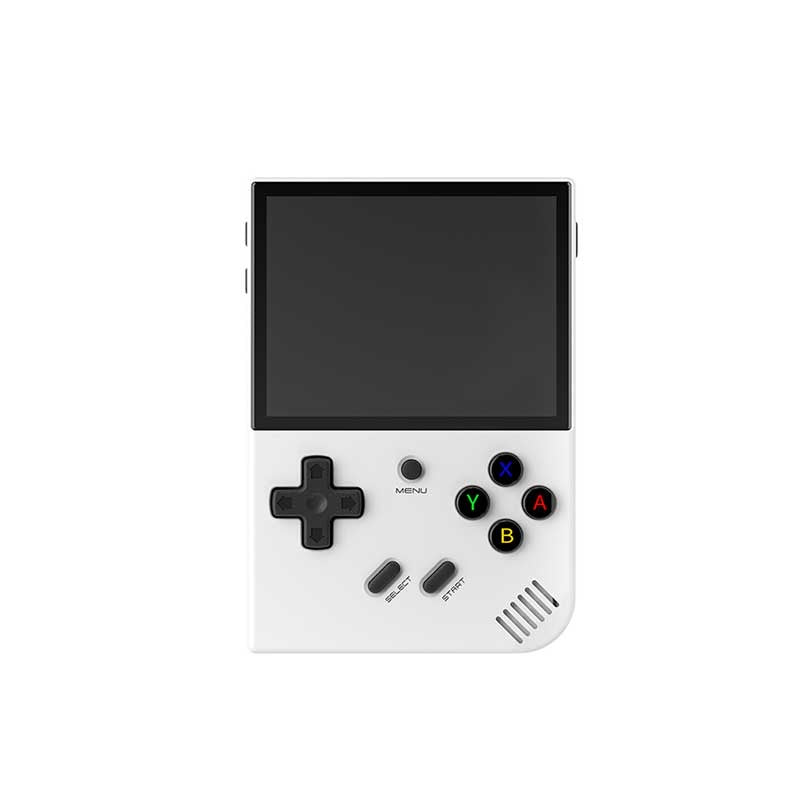
Anbernic RG35XX Plus
3.5" IPS, stereo speakers, HDMI out, Allwinner H700
Image: Anbernic
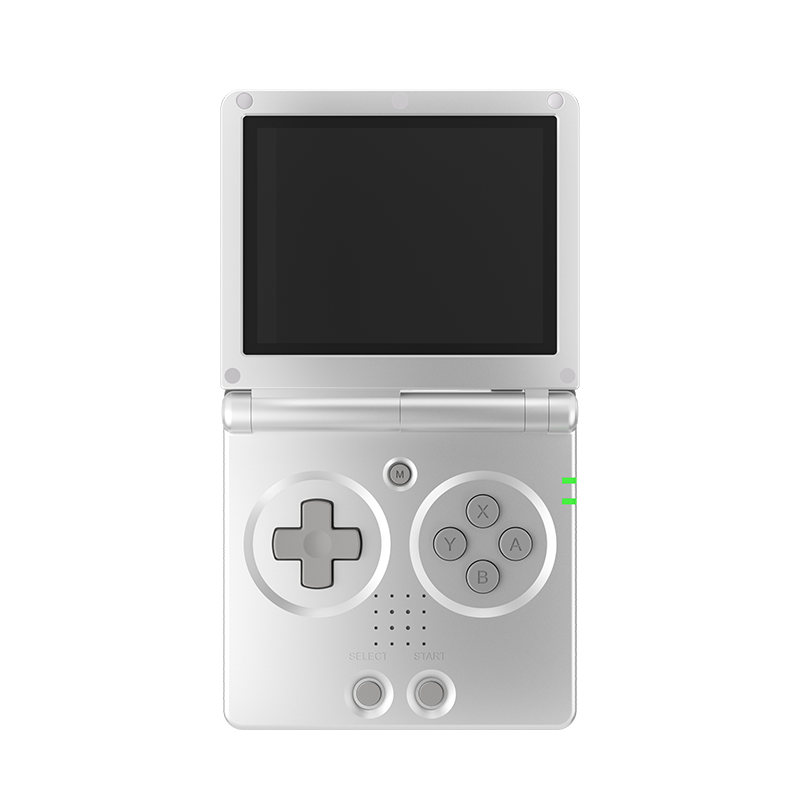
Anbernic RG35XX SP
3.5" IPS clamshell, Allwinner H700, GBA SP tribute
Image: Anbernic
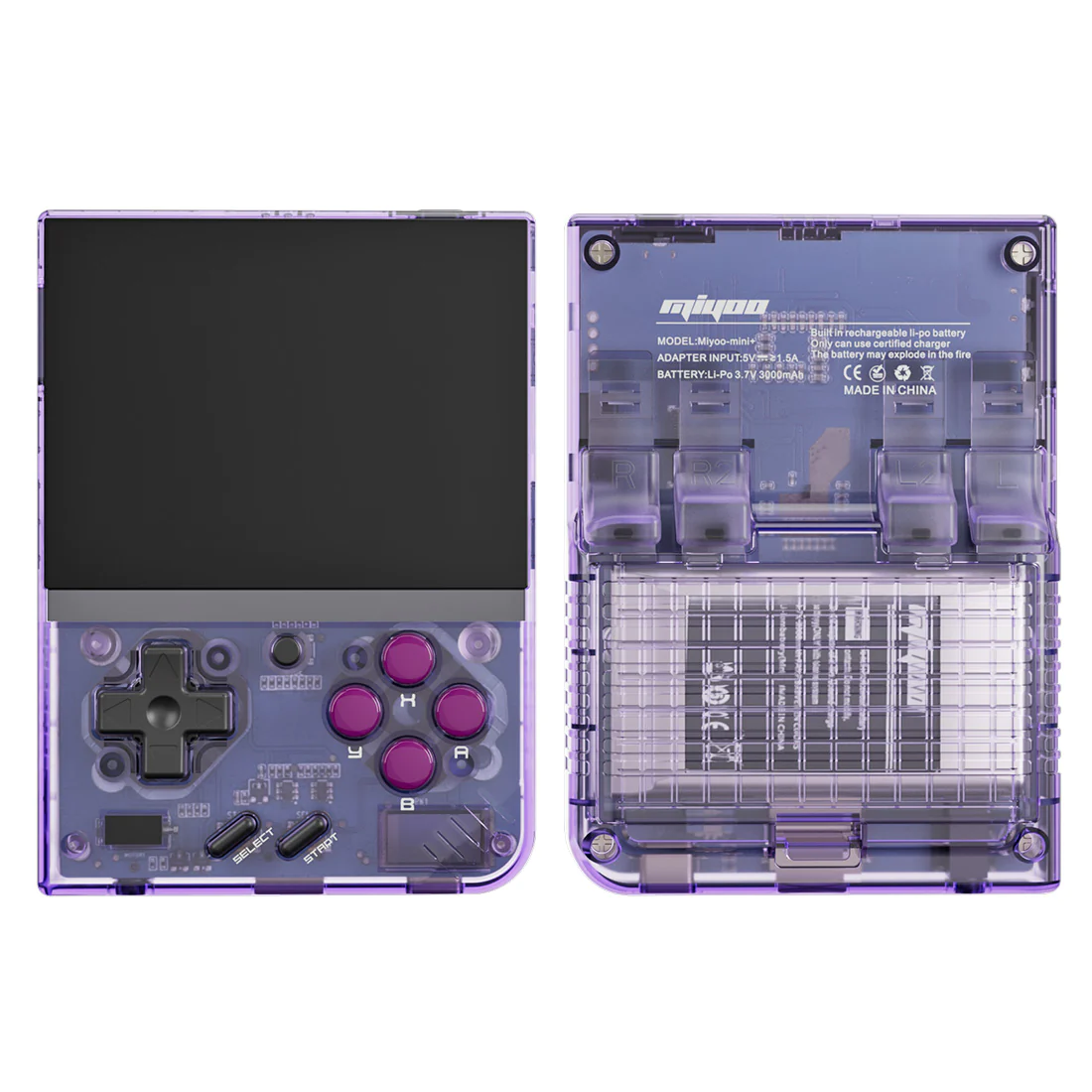
Miyoo Mini Plus
3.5" IPS vertical, 162 g, OnionOS ecosystem
Image: Miyoo
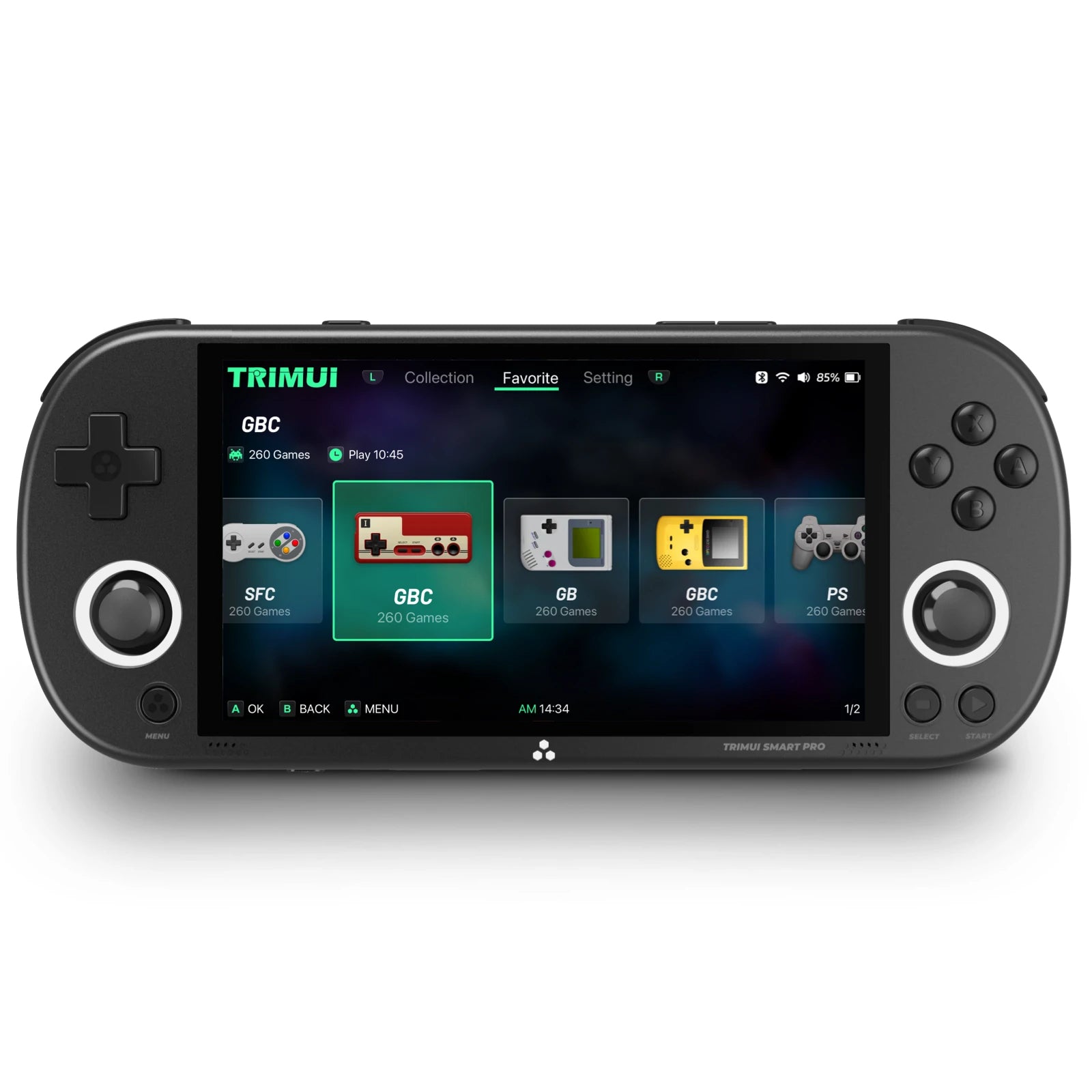
Trimui Smart Pro
4.96" 720p IPS widescreen, dual analog sticks, A133P
Image: Trimui
Specifications side-by-side
| Spec | RG35XX Plus | RG35XX SP | Miyoo Mini Plus | Trimui Smart Pro |
|---|---|---|---|---|
| SoC | Allwinner H700 (4× A53 @ 1.5 GHz) | Allwinner H700 (4× A53 @ 1.5 GHz) | SigmaStar SSD202D (2× A7 @ 1.2 GHz) | Allwinner A133P (4× A53 @ 1.8–2.0 GHz) |
| RAM | 1 GB LPDDR4 | 1 GB LPDDR4 | 128 MB DDR3 | 1 GB LPDDR4X |
| Screen | 3.5-inch IPS, 640×480, 4:3 | 3.5-inch IPS, 640×480, 4:3 | 3.5-inch IPS, 640×480, 4:3 | 4.96-inch IPS, 1280×720, 16:9 |
| Battery | 3300 mAh | 3300 mAh | 3000 mAh | 5000 mAh |
| Weight | 186 g | 192 g | 162 g | 231 g |
| Form factor | Horizontal slab | Clamshell | Vertical slab | Horizontal slab |
| Analog sticks | No | No | No | 2 |
| HDMI out | Yes | Yes (mini HDMI) | No | No |
| Wi-Fi | 2.4/5 GHz (WiFi 5) | 2.4/5 GHz (WiFi 5) | 2.4 GHz only | WiFi 4 (2.4 GHz) |
| Speaker | Stereo, front-facing | Mono | Stereo, front-facing | Stereo (1W each) |
| Stock OS | Anbernic Linux | Anbernic Linux | MiyooCFW | Trimui Linux |
| MSRP (USD) | $60 | $64.99 | $50 | $69.99 |
| Release | November 2023 | May 2024 | March 2023 | November 2023 |
Build quality and ergonomics
The RG35XX Plus and RG35XX SP share the same Allwinner H700 internals, but they feel like completely different objects in your hands. The Plus takes the classic horizontal Game Boy slab approach at 186 g, while the SP is a clamshell at 192 g that closes over its own screen — a direct visual tribute to the original Game Boy Advance SP.
The SP’s clamshell design is genuinely useful if you’re carrying this in a bag or pocket without a case. The hinge protects the 3.5-inch IPS panel at the cost of a slightly chunkier closed footprint (89 × 85 × 27 mm closed). The shoulder button surface area is reduced by the form factor — L2/R2 are present but the SP profile means they’re less comfortable for extended PS1 sessions than the flat slab of the Plus.
The Miyoo Mini Plus is the lightest of the group at 162 g and the most compact at 78.5 × 108 mm. It fits in a jeans pocket in a way none of the others quite manage. The trade-off is that it has no L2/R2 shoulder buttons at all — a real limitation for any PS1 game that uses all four shoulders. The D-pad, however, is frequently singled out by the community as the best of the four — described as SNES-grade quality and worth caring about if you play a lot of 2D platformers and fighting games.
The Trimui Smart Pro is the heaviest at 231 g and the largest. Its 188 × 80 × 17 mm slab profile is closer to a PS Vita than a Game Boy, which is either comfortable or unwieldy depending on your hands. It’s the only device here with two analog sticks and a vibration motor, plus RGB lighting around the sticks — the latter is optional but clearly aimed at a different aesthetic than the others. Speaker placement is listed differently across sources (the manufacturer spec and the retrocatalog wiki disagree on front vs. rear mounting), so take speaker positioning claims with some scepticism until you can verify in person.
Screen
Three of the four devices share identical display specs: 3.5-inch IPS panels at 640×480 (4:3), with OCA full lamination on the Anbernic pair. At 228 PPI (on the Miyoo and both Anbernics), these panels are sharp enough for 16-bit and PS1 content. The 4:3 aspect ratio is the right call for retro gaming — GBA, SNES, PS1, and most arcade content all fit correctly without letterboxing.
The Trimui Smart Pro goes in a completely different direction: a 4.96-inch IPS screen at 1280×720 (16:9) and 294 PPI. That’s a noticeably sharper, larger canvas. The catch is the aspect ratio. Classic 4:3 content (NES, SNES, GBA, PS1) will display with black bars on both sides unless you stretch it, which looks wrong. Where the 16:9 panel pays off is with widescreen hacks — Dreamcast, PS1, and N64 titles that support them display correctly, and the screen is large enough that the widescreen image actually looks impressive.
If your library is primarily 8-bit and 16-bit, the smaller 4:3 screens on the Anbernic and Miyoo devices serve the content better. If you’re running PS1 widescreen hacks or you just want a bigger screen, the Smart Pro’s 4.96-inch panel at 720p is genuinely a step up.
Emulation performance
Anbernic RG35XX Plus / RG35XX SP (Allwinner H700)
- GBA — mGBAFull speed Perfect
- SNES — SNES9xFull speed Perfect
- PS1 — PCSX ReARMedFull speed Perfect
- N64 — Mupen64PlusPlayable (game-dependent) Playable
- Dreamcast — FlycastPlayable (selective library) Playable
- PSP — PPSSPPChoppy; not recommended Choppy
Miyoo Mini Plus (SigmaStar SSD202D)
- NES — FCEUmmFull speed Perfect
- SNES — SNES9xFull speed Perfect
- GBA — mGBAFull speed Perfect
- PS1 — PCSX ReARMedFull speed Perfect
- DS — DraSticChoppy (title-dependent) Choppy
- N64Not practical Choppy
- DreamcastNot viable Choppy
Trimui Smart Pro (Allwinner A133P)
- GBA — mGBAFull speed Perfect
- SNES — SNES9xFull speed Perfect
- PS1 — PCSX ReARMedFull speed Perfect
- N64 — Mupen64PlusPlayable (most titles) Playable
- Dreamcast — FlycastPlayable (widescreen hacks supported) Playable
- PSP — PPSSPPPlayable (lighter titles) Playable
The Miyoo Mini Plus’s ceiling is clear: it handles everything through PS1 flawlessly, and then the 128 MB of DDR3 RAM and dual-core A7 CPU hit a hard wall. N64 is not practical, and Dreamcast is not viable on this hardware. That’s not a criticism — it’s a legitimate design trade-off for the price and size. But it matters if you want anything beyond the 32-bit era.
The H700 devices (Plus and SP) are meaningfully stronger, handling Dreamcast and N64 at a playable framerate across most of the library. PSP is where both stumble — it’s technically possible but not recommended for serious play. The Smart Pro’s A133P, running at up to 2.0 GHz versus the H700’s 1.5 GHz, extends that ceiling slightly: PSP becomes genuinely playable for lighter titles, and N64 coverage improves.
Firmware and software
All four devices ship with a manufacturer Linux launcher that most users replace within the first hour. The firmware ecosystem is where these devices genuinely differ.
The RG35XX Plus has the broadest custom firmware support of any H700 Anbernic device — muOS (BANANA build), Knulli, GarlicOS, and MinUI all have official support. That’s four active community projects, which means better long-term maintenance and the ability to switch if one project stagnates.
The RG35XX SP is supported by muOS (using its own BEANS build, distinct from the BANANA build used on the Plus and RG35XX H) and Knulli. MinUI runs unofficially. Notably absent from the SP is GarlicOS — if that’s your preferred firmware, the Plus is the device to get.
The Miyoo Mini Plus lives and dies with OnionOS. It’s not optional in any practical sense — stock MiyooCFW is functionally incomplete, and nearly every guide, theme, and community resource assumes OnionOS. The good news is that OnionOS is excellent: it’s polished, actively developed, and has a large theme and app ecosystem. MinUI is a minimalist alternative for those who want a stripped-back launcher. The limitation is that you have two choices, not four.
The Trimui Smart Pro runs stock Trimui Linux, which Android Authority reviewers noted lacks standalone emulator support outside of RetroArch/LibRetro. The community answer is CrossMix OS, which adds RetroArch polish, PortMaster support for Linux ports, and a significantly better UX. CrossMix is the expected firmware for any serious Smart Pro user, roughly in the same position as OnionOS on the Miyoo.
Value and buyer notes
At their typical street prices — $50 for the Miyoo Mini Plus, $60 for the RG35XX Plus, $64.99 for the RG35XX SP, and $69.99 for the Trimui Smart Pro — all four represent strong value. None of them cross $75 on AliExpress at time of writing, though the Trimui Smart Pro has been seen listed higher at some retailers.
Warranty across all four is the usual cross-border reality: the manufacturer warranty exists on paper, but a return from Zürich to Shenzhen is economically pointless for a CHF 70 device. Buy from a seller with good AliExpress dispute history, and accept that your warranty is effectively whatever the seller offers informally.
Who should buy which
Anbernic RG35XX Plus is the default recommendation for most people. Stereo front-facing speakers, HDMI output, the widest custom firmware selection in the group, and 186 g in a comfortable slab form factor. It doesn’t do anything exceptionally, but it doesn’t fail at anything either. The $60 price point with Dreamcast-capable H700 hardware is hard to argue with.
Anbernic RG35XX SP wins in one specific scenario: you need screen protection without a case. The clamshell form factor is genuinely practical for commuting or bag carry. It gives up the stereo speakers (mono only), has less comfortable shoulder access in some grips, and costs $4.99 more than the Plus for hardware that’s mechanically identical. But if that hinge matters to you, it matters a lot.
Miyoo Mini Plus is the right call if pocketability and D-pad quality are your top priorities. At 162 g and 78.5 mm wide, it’s the only one here that fits unobtrusively in a jeans pocket. The D-pad is the best of the four. The ceiling is PS1, and the missing L2/R2 buttons are a real constraint. If your library is NES through PS1, none of those limitations hurt you. If you want N64 or Dreamcast, look elsewhere.
Trimui Smart Pro is the underdog that wins clearly in two scenarios: you want analog sticks at this price, or you want a large 4.96-inch 720p screen. No other device under $100 offers both. PSP playability on lighter titles is a bonus. The trade-off is that 4:3 content sits in a sea of black bars on the 16:9 panel, CrossMix OS is required to get the most out of the hardware, and the larger form factor isn’t for everyone.
Pros
- + RG35XX Plus: broadest firmware support, stereo speakers, HDMI out, $60
- + RG35XX SP: clamshell screen protection, same H700 performance as the Plus
- + Miyoo Mini Plus: lightest (162 g), best D-pad, most pocketable, $50
- + Trimui Smart Pro: only device here with dual analog sticks, largest screen at 4.96 inches and 720p, PSP playable
Cons
- − RG35XX SP: mono speaker, reduced shoulder comfort, slightly more expensive than Plus for same internals
- − Miyoo Mini Plus: hard ceiling at PS1, no L2/R2 buttons, 2.4 GHz Wi-Fi only, no HDMI
- − Trimui Smart Pro: 4:3 content gets black bars on 16:9 panel, CrossMix required, heaviest at 231 g
- − All four: no analog sticks except Smart Pro, cross-border warranty is largely nominal