Comparison
Best Anbernic Handheld in 2026: Which One Should You Buy?
Anbernic's 2024-2026 lineup: RG35XX SP, RG35XX Plus, RG556, RG406V. Direct comparison by price, power, form factor, and emulation tier.
Zürich, Switzerland
Published May 6, 2026
Anbernic shipped more distinct handheld models between 2024 and 2026 than most manufacturers release in a decade. That variety is a genuine advantage if you know what you’re looking for — and a trap if you don’t. A RG35XX SP and a RG556 share a brand name and almost nothing else: different SoCs, different operating systems, different emulation ceilings, different prices. Picking the wrong one means either overpaying for power you won’t use or buying a device that hits its ceiling right where you need it most.
This guide cuts across four current Anbernic devices — the RG35XX SP, RG35XX Plus, RG556, and RG406V — and tells you which one to buy based on what you actually want to play. One device wins for most people on a budget. A different one is the right answer if PS2 and GameCube are your targets. And there’s a specific scenario where the SP beats everything else in the lineup.
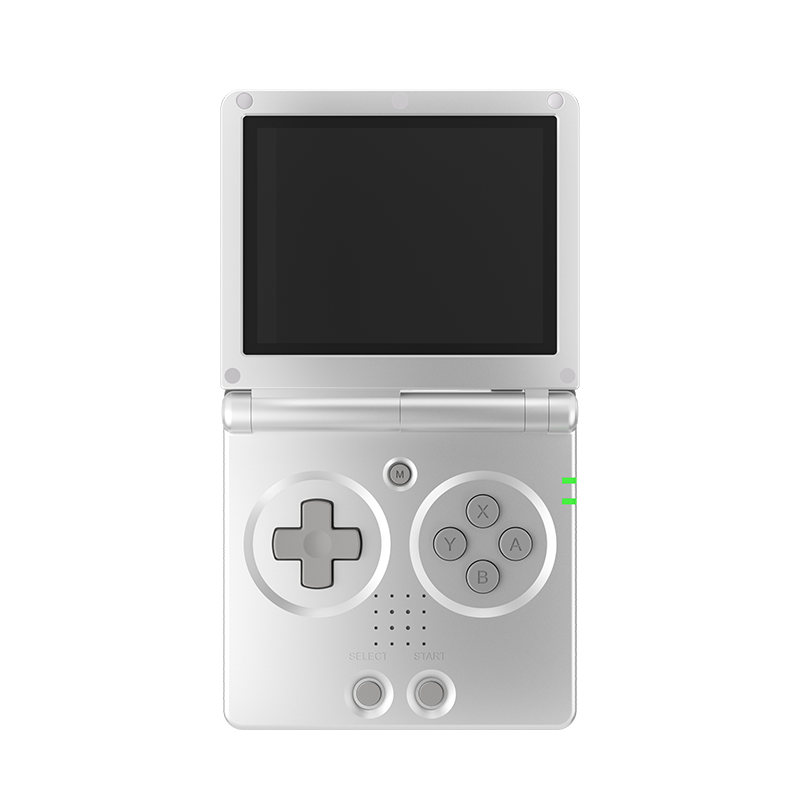
RG35XX SP
Clamshell, 3.5" IPS 4:3, Allwinner H700, Linux
Image: Anbernic
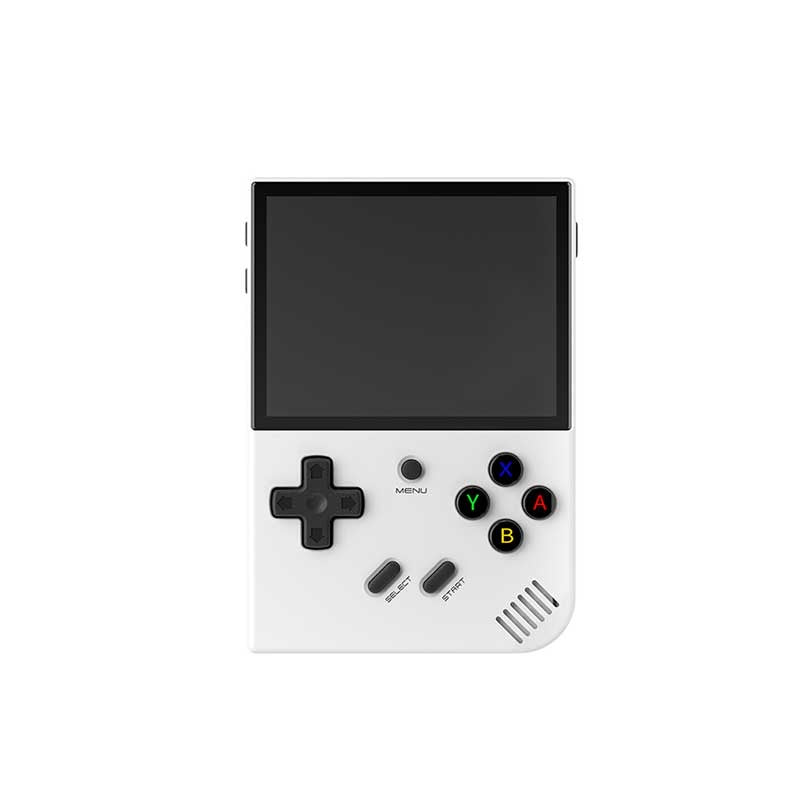
RG35XX Plus
Slab, 3.5" IPS 4:3, Allwinner H700, Linux
Image: Anbernic
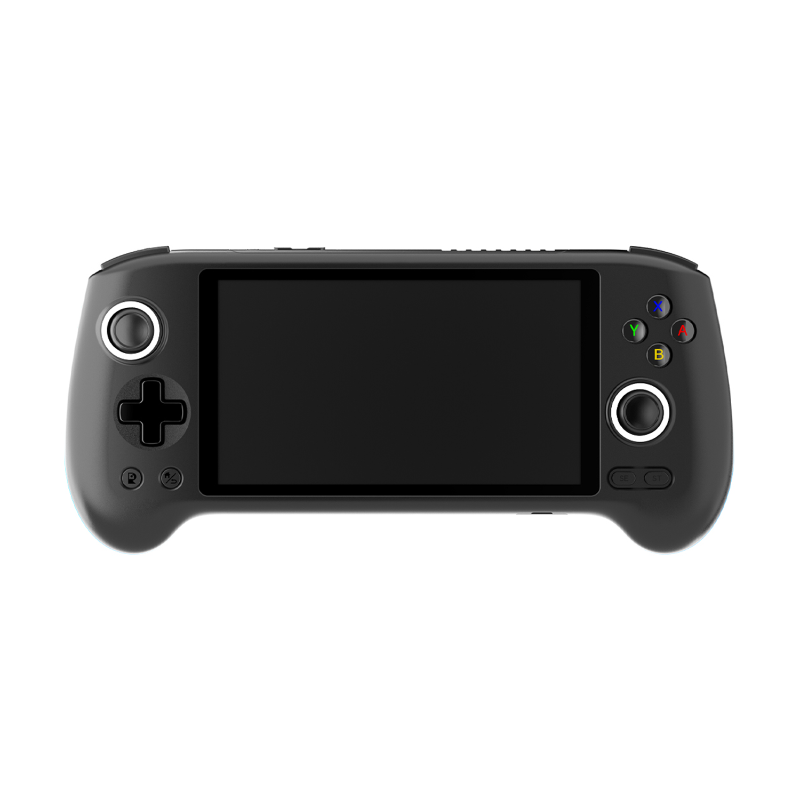
RG556
5.48" AMOLED 16:9, Unisoc T820, Android 13
Image: Anbernic
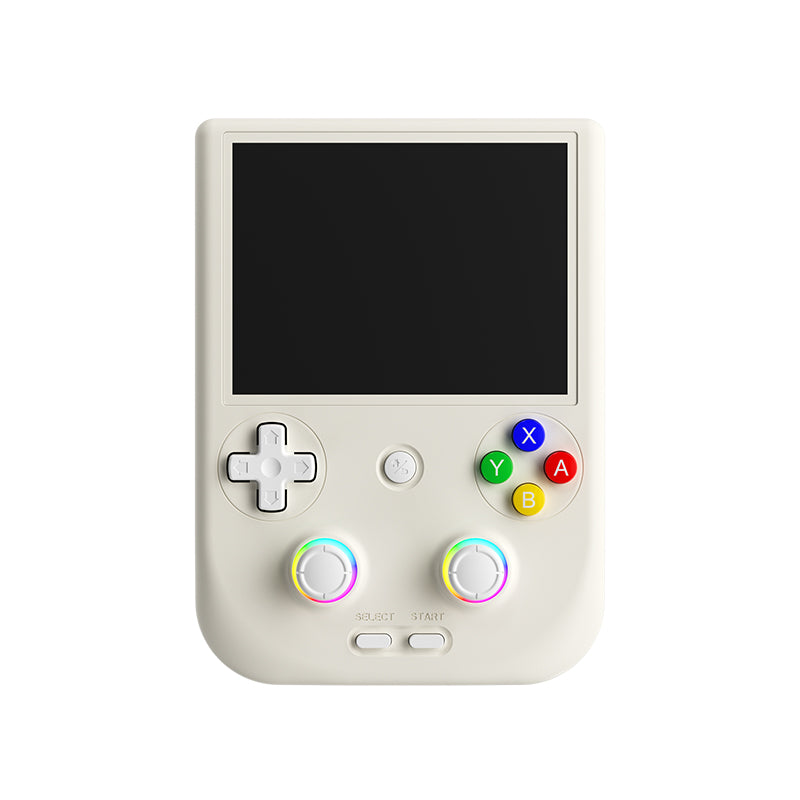
RG406V
4.0" IPS 4:3, Unisoc T820, Android 13, vertical
Image: Anbernic
Specifications side-by-side
| Spec | RG35XX SP | RG35XX Plus | RG556 | RG406V |
|---|---|---|---|---|
| SoC | Allwinner H700 (4× A53 @ 1.5 GHz) | Allwinner H700 (4× A53 @ 1.5 GHz) | Unisoc T820 (6nm, octa-core, 1× A76 @ 2.7 GHz) | Unisoc T820 (6nm, octa-core, 1× A76 @ 2.7 GHz) |
| GPU | Mali-G31 MP2 | Mali-G31 MP2 (650 MHz) | Mali-G57 MC4 @ 850 MHz | Mali-G57 MC4 @ 850 MHz |
| RAM | 1 GB LPDDR4 | 1 GB LPDDR4 | 8 GB LPDDR4X | 8 GB LPDDR4X |
| Storage | 64 GB microSD + dual slots | 64 GB microSD + dual slots | 128 GB UFS 2.2 internal | 128 GB UFS 2.2 |
| Screen | 3.5” IPS, 640×480, 4:3 | 3.5” IPS, 640×480, 4:3 | 5.48” AMOLED, 1080×1920, 16:9 | 4.0” IPS, 960×720, 4:3 |
| Battery | 3300 mAh | 3300 mAh | 5500 mAh | 5500 mAh |
| Weight | 192 g | 186 g | 331 g | — |
| Form factor | Clamshell | Horizontal slab | Horizontal slab with rear grips | Vertical slab |
| Analog sticks | None | None | 2× hall-effect | 2× hall-effect |
| OS | Anbernic Linux | Anbernic Linux | Android 13 | Android 13 |
| HDMI out | Mini HDMI | Yes | DisplayPort via USB-C (1080p) | DisplayPort via USB-C |
| Price (MSRP USD) | $64.99 | $60 | $184.99 | $179 |
| Released | May 2024 | November 2023 | April 2024 | October 2024 |
Build quality and ergonomics
RG35XX SP
The SP is an explicit tribute to the Game Boy Advance SP — clamshell hinge, flips open, screen folds away when closed. At 192 g it’s slightly heavier than the Plus, but the closed form factor genuinely protects the screen in a pocket or bag without a case. The shoulder surface area is compressed by the clamshell design, and both L2/R2 are flat digital buttons rather than analog triggers. The D-pad gets consistently positive marks from reviewers — crisp and raised, well suited for 2D games and fighting games. The single mono speaker is the most common complaint.
RG35XX Plus
Six grams lighter than the SP at 186 g, the Plus takes the conventional horizontal slab shape. It’s the closest thing Anbernic makes to a Game Boy Color layout — wide body, face buttons on the right, crosspad on the left. The stereo front-facing speakers are a tangible upgrade over the SP’s mono output, which matters if you play without headphones. Like the SP, there are no analog sticks, and all four shoulder buttons are tactile digital.
RG556
At 331 g, the RG556 is nearly twice the weight of either H700 device. Rear grips offset that mass reasonably well, and reviewers consistently note that it doesn’t feel as heavy in-hand as the number suggests. The hall-effect analog sticks are the headline control feature — they eliminate the drift problems that plague Joy-Con style sticks. The RGB lighting around the sticks is not user-customizable as of the current firmware, which is a small irritation. The 5.48” body is simply not pocketable.
RG406V
The RG406V takes the same Unisoc T820 internals as the RG556 and puts them in a vertical Game Boy-style shell. It’s Anbernic’s premier vertical Android handheld for 2024/2025. The 4:3 screen ratio works naturally in this orientation, and the hall-effect sticks resolve the cardinal snapping issues present in earlier Anbernic analog stick generations. Weight is not listed in the manufacturer specifications sheet, so I won’t guess.
Screen
The H700 pair (SP and Plus) share the same panel: 3.5-inch IPS, 640×480, 4:3 aspect ratio, OCA full lamination. For anything up to PS1, that resolution is close to native — GBA runs at exactly its native resolution, and the lamination removes the gap between glass and panel that made older Anbernic screens feel recessed. It’s a clean, sharp picture for what these devices are designed to do.
The RG556’s 5.48” AMOLED is a different category. 1080×1920 in a 16:9 orientation means PS1 and N64 games run with black bars unless you stretch them, but Dreamcast upscaled to 1920×1440 via Redream looks genuinely impressive on that panel. Out of the box the display has a blue tint; reviewers recommend switching to Standard color mode in Settings > Display > Colours & Contrast. The RG406V’s 4.0” IPS at 960×720 is a smart middle ground — a 4:3 panel with enough pixels for clean upscaling, sized for one-handed vertical play.
Emulation performance
RG35XX SP
RG35XX SP emulation performance (Allwinner H700)
- GBA — mGBAFull speed Perfect
- PS1 — PCSX ReARMedFull speed Perfect
- N64 — Mupen64Plus (note: no analog sticks)Playable Playable
- Dreamcast — Flycast (selective library)Playable Playable
- DS — DraSticPlayable Playable
- PSP — PPSSPPChoppy — not recommended Choppy
RG35XX Plus
The Plus runs identical hardware to the SP, and the emulation profile matches: GBA, SNES, and PS1 are all full-speed; N64 is game-dependent and playable; Dreamcast runs selectively. PSP is not in scope for either H700 device. The only emulation-relevant difference is the Plus’s slightly broader custom firmware support, which can affect which cores are available and how they’re tuned.
RG556
RG556 emulation performance (Unisoc T820)
- PS1 — DuckStation (5× upscale)Full speed Perfect
- N64 — M64Plus FZ (1440×1080)Full speed Perfect
- Dreamcast — Redream (1920×1440)Full speed Perfect
- PSP — PPSSPP (God of War at 2×, Daxter at 3×)Full speed Perfect
- PS2 — AetherSX2/NetherSX2 (2× upscale sweet spot)Playable Playable
- GameCube — Dolphin (720p/2×; F-Zero GX problematic)Playable Playable
- Wii — Dolphin (native resolution)Playable Playable
- 3DS — Citra MMJ (standard Citra unplayable)Playable Playable
- Switch — Yuzu/SudachiChoppy Choppy
RG406V
The RG406V carries the same Unisoc T820 as the RG556. PS1, N64, Dreamcast, and PSP all run perfectly; PS2, GameCube, Wii, and 3DS land in playable territory with the same caveats as the RG556. The vertical form factor doesn’t change what the chip can do.
The ceiling that matters: neither H700 device (SP, Plus) can run PS2. Neither T820 device (RG556, RG406V) handles Switch beyond lightweight 2D titles.
Firmware and software
The SP and Plus both run Anbernic’s stock Linux launcher out of the box. The real reason to buy either is the custom firmware ecosystem:
- muOS — the most beginner-friendly option; the SP uses the BEANS build, the Plus uses BANANA. Clean modern UI, RetroArch integrated, RetroAchievements, overclocking, netplay. Installation is a 30-minute SD card flash.
- Knulli — a Batocera fork built specifically because Batocera’s GPL license couldn’t legally accommodate the closed-source GPU drivers on H700 hardware. Knulli adds PortMaster (Stardew Valley, Celeste, DOOM), OTA updates, and for the SP specifically, hinge-triggered sleep when you close the lid.
- GarlicOS — available on the Plus; popular in the RG35XX family community.
- minUI — available on both; the minimalist pick.
The Plus has the broader firmware support list of the two — it officially supports muOS, Knulli, GarlicOS, and minUI. The SP supports muOS, Knulli, and minUI (unofficially).
The RG556 and RG406V run Android 13 with Anbernic’s RG Launcher frontend, which is widely criticized. Most users replace it immediately with Daijisho or Dig. Android gives you access to DuckStation for PS1, NetherSX2 for PS2, M64Plus FZ for N64, and Redream for Dreamcast — standalone apps with more tuning options than RetroArch cores. Retroachievements work via RetroArch on Android. The trade-off is that Android setup takes more steps than flashing muOS.
Value and buyer notes
The price gap between the H700 devices and the T820 devices is not subtle. The Plus sits at $60 MSRP, the SP at $64.99. The RG406V is $179 and the RG556 is $184.99. You are paying roughly 3× more for the Android tier — and you’re getting meaningfully more: Android, PS2/GameCube capability, analog sticks, 5500 mAh battery, and significantly more RAM and storage. Whether that’s worth it depends entirely on whether your target platforms need it.
For Swiss buyers specifically: on a CHF 70 order (roughly the Plus at current EUR rates), the customs load adds CHF 5–6 in VAT plus CHF 11.50 handling — call it CHF 17 total overhead. On an RG556 at roughly CHF 200, that overhead becomes more meaningful. Ordering from an EU warehouse (AliExpress’s EU fulfillment stock) reduces the chance of delays but doesn’t eliminate Swiss customs.
Who should buy which
RG35XX Plus — the default recommendation
Pros
- + Cheapest entry in the lineup at $60 MSRP
- + Stereo front-facing speakers
- + Broadest custom firmware support (muOS, Knulli, GarlicOS, minUI)
- + GBA, SNES, PS1 all run flawlessly
- + Dual microSD slots — keep OS and ROMs separate
- + HDMI out for TV sessions
- + 186 g — genuinely pocketable
Cons
- − No analog sticks — N64 is functionally compromised for most games
- − H700 ceiling: no PSP, no PS2, no GameCube
- − Mono speaker is the only audio option without headphones — wait, that is the SP; Plus has stereo
- − 1 GB RAM limits multi-tasking on stock OS
- − Stock launcher is forgettable — custom firmware is almost mandatory
Buy the Plus if: GBA, SNES, PS1, and some N64 covers your library. At $60 with stereo speakers, HDMI out, and the best custom firmware support in the H700 family, nothing else at this price competes within the Anbernic lineup.
RG35XX SP — the specific-use winner
Pros
- + Clamshell hinge protects the screen — no case needed
- + Identical emulation ceiling to the Plus at a similar price
- + Crisp D-pad suited for 2D and fighting games
- + Knulli adds lid-close sleep functionality
- + GBA tribute aesthetics if that matters to you
Cons
- − Mono speaker only
- − Clamshell limits shoulder button surface area
- − No analog sticks (same as Plus)
- − Slightly heavier than the Plus at 192 g
- − Narrower custom firmware support than the Plus
Buy the SP if: you carry a device loose in a pocket or bag and don’t want to worry about screen scratches. The clamshell is a genuine quality-of-life feature, not just aesthetics. For everything else, the Plus wins on paper.
RG556 — the power pick for a 16:9 library
Pros
- + 5.48" AMOLED — the best screen in the Anbernic lineup by a wide margin
- + PS2, GameCube, Wii, PSP all playable
- + 8 GB LPDDR4X and 128 GB UFS 2.2 internal storage
- + Hall-effect sticks prevent drift
- + 5500 mAh battery vs 3300 mAh on H700 devices
- + DisplayPort via USB-C for 1080p TV output
Cons
- − 331 g — not a pocket device
- − $184.99 MSRP — three times the Plus price
- − Stock RG Launcher is widely criticized; expect setup time
- − Default display has a blue tint out of box (fixable in settings)
- − RGB stick lighting is not user-customizable currently
- − Switch emulation is only marginally functional
Buy the RG556 if: you want PS2, GameCube, or Wii alongside a premium screen. The AMOLED plus Redream at 1920×1440 for Dreamcast, or Dolphin at 720p for GameCube, justifies the price jump if those platforms are in your library. If you only play up to PS1, it’s complete overkill.
RG406V — vertical form factor with T820 power
Pros
- + 4:3 screen in a vertical layout — natural for GB/GBC/GBA/PS1
- + Same T820 internals as RG556: PS2, GameCube, PSP all playable
- + Updated hall-effect sticks (resolves older Anbernic cardinal snapping)
- + 5500 mAh battery
- + 6-axis gyroscope
- + RGB stick lighting (16 million colors)
Cons
- − $179 MSRP — similar price to RG556 for a smaller screen
- − IPS panel (not AMOLED like the RG556)
- − Stock RG Launcher requires replacing
- − Vertical form factor is polarizing — not everyone wants it
Buy the RG406V if: you specifically want a vertical handheld with real emulation power. The 4:3 4-inch screen at 960×720 is well-suited for the Game Boy and PS1 library without aspect ratio compromises, and the T820 means PS2 and GameCube are on the table. If screen size and AMOLED matter more to you than form factor, the RG556 wins on those specific points.