Comparison
AYN Odin 2 vs Retroid Pocket 5: Premium Android Handheld Comparison
The $299 AYN Odin 2 versus the $219 Retroid Pocket 5. Both are flagship Android retro handhelds — which is worth the premium?
Zürich, Switzerland
Published April 21, 2026
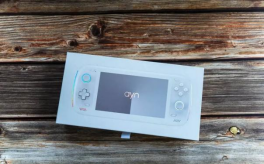
AYN
Odin 2
Image: AYN
- Price
- $299
- Released
- 2023
- SoC
- Qualcomm Snapdragon 8 Gen 2
- Screen
- 6.0-inch IPS 1920×1080
The AYN Odin 2 and Retroid Pocket 5 are the two devices most frequently cited when someone asks “what’s the best Android handheld for emulation right now?” That’s a reasonable shortlist. Both run Android 13, both have hall-effect analog sticks, and both cover everything from PS1 through PS2 and into GameCube without breaking a sweat. The $80 gap between them — $219 for the RP5 versus $299 for the Odin 2 Base — is the real question. What does that extra money actually buy?
The short answer: mostly raw power and a larger screen. The Retroid Pocket 5’s 5.5-inch AMOLED at $219 is genuinely hard to argue against on value grounds. But the Odin 2’s Snapdragon 8 Gen 2 is in a different performance class, and if Switch emulation or demanding GameCube titles matter to you, that gap shows up clearly in practice.
AYN Odin 2
6.0" IPS, Android 13, Snapdragon 8 Gen 2
Image: AYN
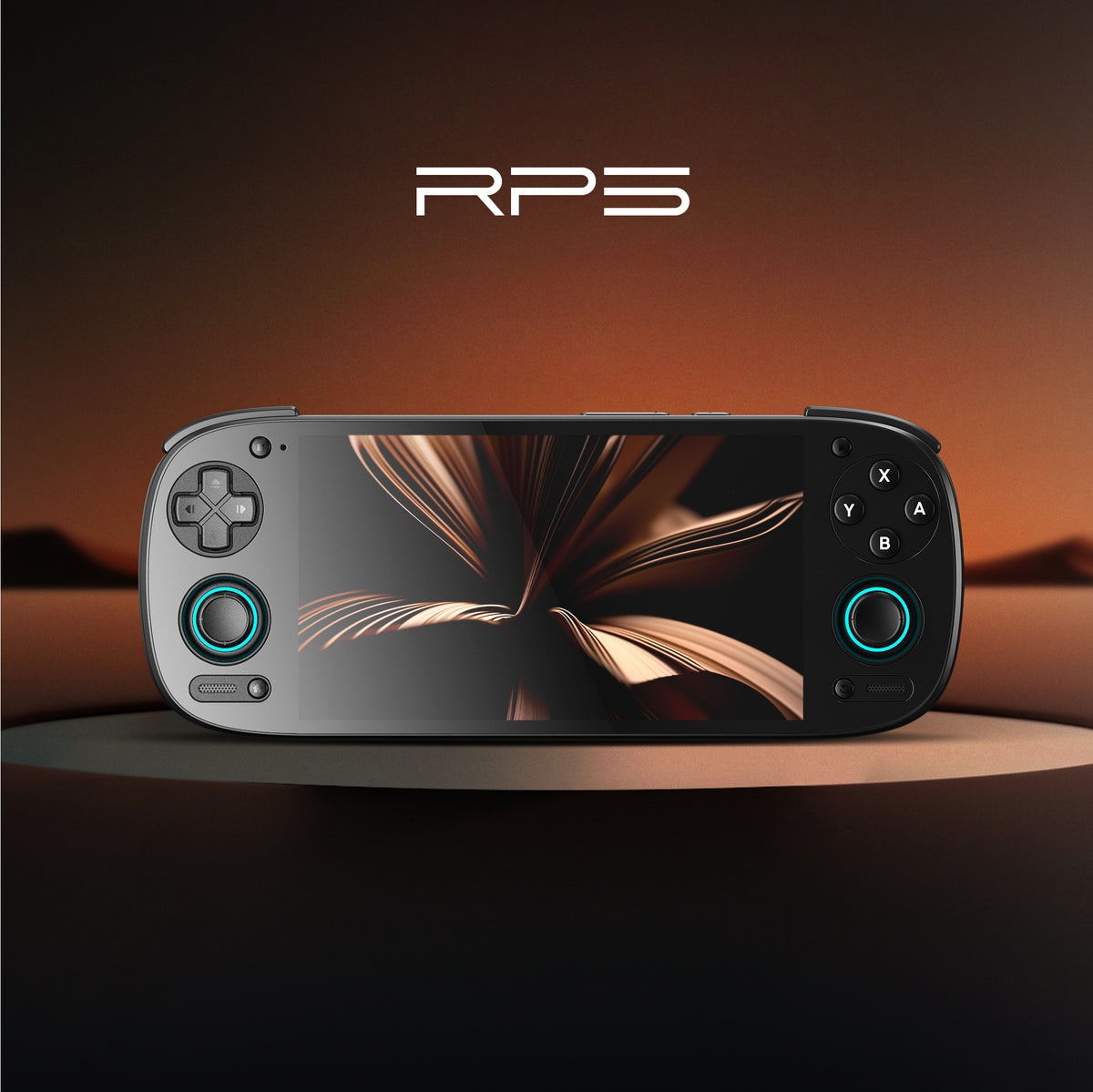
Retroid Pocket 5
5.5" AMOLED, Android 13, Snapdragon 865
Image: Retroid
Specifications side-by-side
| Spec | AYN Odin 2 (Base) | Retroid Pocket 5 |
|---|---|---|
| SoC | Snapdragon 8 Gen 2 | Snapdragon 865 |
| GPU | Adreno 740 | Adreno 650 |
| RAM | 8 GB LPDDR5X | 8 GB LPDDR4X |
| Storage | 128 GB UFS 4.0 | 128 GB UFS 3.1 |
| Screen size | 6.0 inches | 5.5 inches |
| Resolution | 1920×1080 | 1920×1080 |
| Panel | IPS touchscreen | AMOLED touchscreen |
| Aspect ratio | 16:9 | 16:9 |
| Battery | 8000 mAh | 5000 mAh |
| Wi-Fi | Wi-Fi 7 | Wi-Fi 6 |
| Bluetooth | 5.3 | 5.1 |
| HDMI out | Full-size HDMI | Micro HDMI |
| Cooling | Passive | Active fan |
| OS | Android 13 | Android 13 |
| Price (USD) | $299 | $219 |
| Released | November 2023 | September 2024 |
The Odin 2 also comes in Pro (12 GB / 256 GB, $399) and Max (16 GB / 512 GB, $459) configurations. Per AYN, performance is identical across all three variants — the only difference is RAM and storage. For emulation purposes, the Base at $299 is the one to consider.
Build quality and ergonomics
The Odin 2 is a horizontal slab with substantial grips — it’s the bigger device here, with a 6.0-inch screen. Holding it for extended sessions, it sits closer to a Steam Deck in physical presence than to a pocketable device. Both analog sticks use hall-effect sensors, which means no drift over time — that’s the same on both devices and worth calling out explicitly given how common stick drift is on cheaper hardware. The shoulder layout gives you L1/R1 as digital clicks and L2/R2 as analog hall-effect triggers, plus a full-size HDMI port and USB-C with DisplayPort alt mode. Dual stereo speakers round out what is genuinely a premium build.
The Retroid Pocket 5 is smaller at 5.5 inches, with a form factor reviewers have compared to a larger Nintendo Switch Lite. It also has hall-effect sticks and the same L1/R1 digital, L2/R2 analog shoulder layout. The key ergonomic differentiator is the active cooling fan — the RP5 has one, the Odin 2 does not. That matters more during sustained PS2 or Switch sessions where the Odin 2 relies on passive thermal management. The RP5’s fan enables sustained performance and enables overclocking, per community observations.
Neither device’s weight in grams is confirmed in my reference data, so I won’t guess. Both feel substantial in hand based on reviewer commentary, with the Odin 2 the larger of the two.
Screen
Both devices share a 1920×1080 resolution on a 16:9 panel — identical pixel count. The difference is panel technology. The Odin 2 uses IPS; the Retroid Pocket 5 uses AMOLED. On a 5.5-inch AMOLED screen, blacks are true black, contrast is effectively infinite, and colors punch hard. Reviewers across multiple sources consistently flag the RP5’s AMOLED as its standout feature, and it’s hard to disagree — AMOLED at $219 is unusual at this price point.
The Odin 2’s IPS at 6.0 inches gives you more screen real estate, which has genuine value for Switch emulation or any title where you want a bigger viewport. But side-by-side, the RP5’s screen looks better for most content. If you primarily emulate PS1 and PS2 era games and care about image quality, the AMOLED wins the screen comparison. If you want size and are planning to connect to a TV via the full-size HDMI output, the Odin 2’s IPS is a non-issue.
Emulation performance
This is where the two devices genuinely diverge. Through PSP and PS2, both are excellent. GameCube is where the gap opens up, and Switch is where only the Odin 2 can be taken seriously.
AYN Odin 2 — Emulation performance
- PS1 — Full library (PCSX ReARMed)Perfect Perfect
- N64 — Full libraryPerfect Perfect
- PSP — Full library, 4x+ upscale (PPSSPP)Perfect Perfect
- PS2 — Full library at 1080p (NetherSX2)Perfect Perfect
- Dreamcast — Full library, 4x upscale (Flycast)Perfect Perfect
- GameCube — Full library at 1080p (Dolphin)Perfect Perfect
- Wii — Most library (Dolphin)Perfect Perfect
- 3DS — Full library (Citra MMJ)Perfect Perfect
- Switch — Most titles playable; flagship 3D needs tuning (Yuzu MMJ)Playable Playable
Retroid Pocket 5 — Emulation performance
- PS1 — Full libraryPerfect Perfect
- N64 — Full libraryPerfect Perfect
- PSP — Full library, upscaled (PPSSPP)Perfect Perfect
- PS2 — Full library at 2x, most at 3x (NetherSX2)Perfect Perfect
- Dreamcast — Full library (Flycast)Perfect Perfect
- GameCube — Full library at playable speeds (Dolphin)Perfect Perfect
- Wii — Most library; some flagship titles need tuning (Dolphin)Playable Playable
- 3DS — Full library (Citra MMJ)Perfect Perfect
- Switch — Lighter 2D/3D playable; demanding flagship 3D struggles (Yuzu MMJ)Playable Playable
The practical difference for most users lands in two places. For PS2, the Odin 2 runs the full library at 1080p 60 fps via NetherSX2 — including notoriously demanding titles. The RP5 handles the full library but peaks at 2x upscale comfortably (and most titles at 3x), which still looks excellent on that AMOLED. For anything up to GameCube, you won’t feel shortchanged by the RP5.
Switch is the real dividing line. The Odin 2 runs most of the Switch library at playable framerates with tuning. The RP5 handles lighter 2D titles and many 3D games, but demanding flagship 3D struggles. If your Switch wishlist includes games like Zelda: Breath of the Wild or Smash Bros. Ultimate, the Odin 2 is the only realistic choice between these two.
Firmware and software
Both ship Android 13 with no significant OS customization — AYN uses a minimal skin and Retroid uses their own launcher. In practice, most users install a third-party frontend like Daijisho or Emulation Station on both. The stock experience on each is functional but not exceptional.
The RP5 has community-supported Linux builds available as an alternative to Android, which gives technically inclined users more low-level control. The Odin 2 doesn’t have a comparable community Linux option documented in current sources.
Wi-Fi 7 on the Odin 2 versus Wi-Fi 6 on the RP5 will matter to exactly one type of user: someone doing heavy game streaming over a local network. For downloading ROMs or running Moonlight, the difference is imperceptible in practice. Bluetooth 5.3 versus 5.1 similarly makes no practical difference for controller pairing.
Value and buyer notes
At $219, the Retroid Pocket 5 is remarkable value for what it delivers. The AMOLED screen alone would justify a premium at this price point, and the emulation coverage through PS2 and GameCube is comprehensive. The Odin 2 Base at $299 is also reasonable for what you get, but the $80 premium is harder to justify if Switch emulation isn’t on your agenda.
The Odin 2 Pro at $399 and Max at $459 add RAM and storage. For emulation, the Base’s 8 GB is sufficient — there’s no performance difference between variants.
Battery life tells a clear story: the Odin 2’s 8000 mAh versus the RP5’s 5000 mAh is a significant advantage for portable use. Community testing on the RP5 measured approximately 3 hours 35 minutes under heavy emulation with maximum settings — enough for a commute, not a long-haul flight. The Odin 2’s larger battery should extend that meaningfully, though exact measured hours aren’t confirmed in current testing data.
Who should buy which
The Retroid Pocket 5 is the right choice for more people. It covers every platform through GameCube and PS2 with a screen that’s genuinely beautiful, at $80 less than the Odin 2 Base. The AMOLED advantage is real and tangible every time you use it. The active cooling fan is a practical edge over passive cooling at sustained loads. If your emulation targets top out at PS2, Dreamcast, and GameCube, you’re not leaving anything meaningful on the table.
The Odin 2 earns its price specifically for Switch emulation and demanding PS2 titles at 1080p. The Snapdragon 8 Gen 2 with Adreno 740 is the current ceiling in this device category, and it shows in the benchmarks. The larger 6.0-inch screen and 8000 mAh battery are real advantages if you want the device to double as a media player or need extended sessions. The full-size HDMI out is also more convenient than the RP5’s micro HDMI for TV output.
Pros
- + Snapdragon 8 Gen 2 — current performance ceiling in handheld Android
- + Switch emulation covers most of the library at playable framerates
- + PS2 full library at 1080p 60 fps
- + 8000 mAh battery for longer portable sessions
- + Full-size HDMI output, Wi-Fi 7, Bluetooth 5.3
- + Hall-effect sticks and analog L2/R2 triggers
Cons
- − IPS panel — noticeably worse than the RP5's AMOLED in direct comparison
- − $299 base price; Pro and Max variants reach $399–$459
- − Passive cooling only — RP5's active fan has a thermal edge under sustained load
- − Larger form factor; less pocketable
Pros
- + 5.5-inch AMOLED — best screen in its price class
- + $219 MSRP, competitive value through PS2 and GameCube
- + Active cooling fan enables sustained performance
- + Hall-effect sticks on a $219 device
- + Compact than the Odin 2; easier to carry daily
Cons
- − Snapdragon 865 shows limits in demanding Switch titles and PS2 at max resolution
- − 5000 mAh battery — community testing shows ~3.5 hours under heavy load
- − Micro HDMI output (less convenient than full-size)
- − Wi-Fi 6 and Bluetooth 5.1 — fine, but not cutting-edge